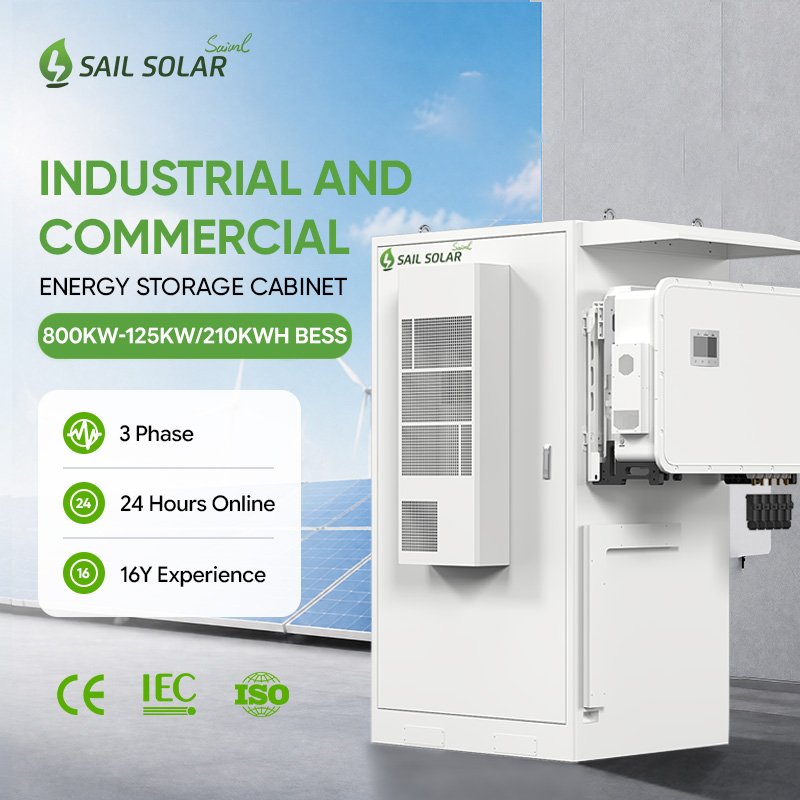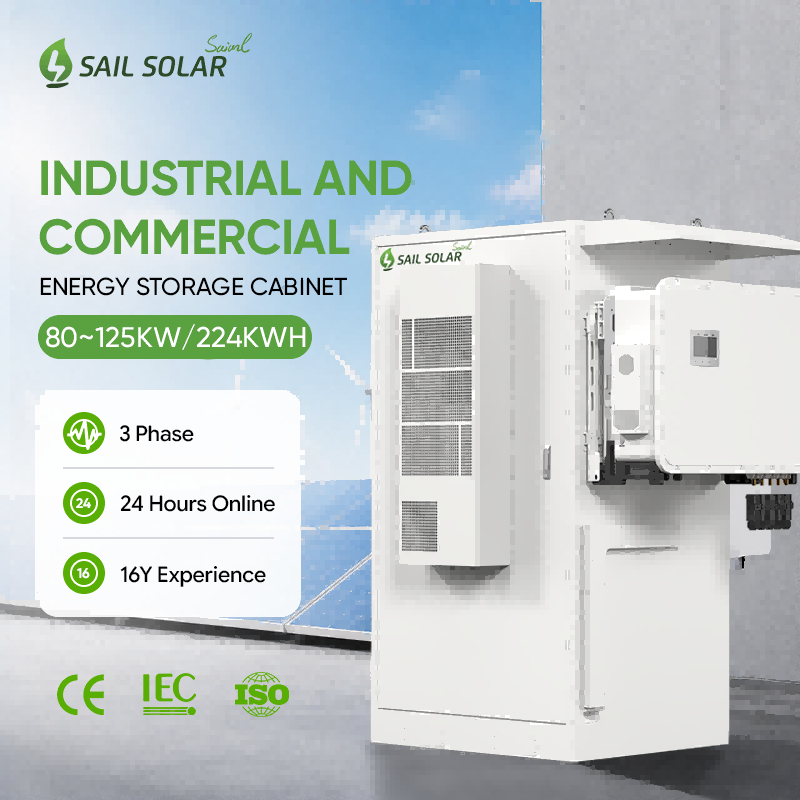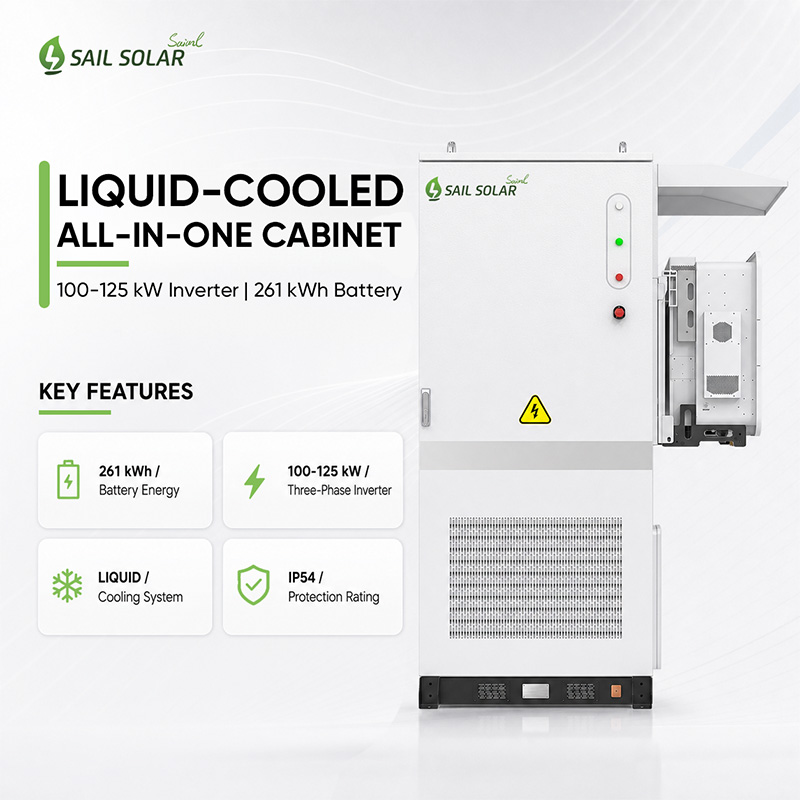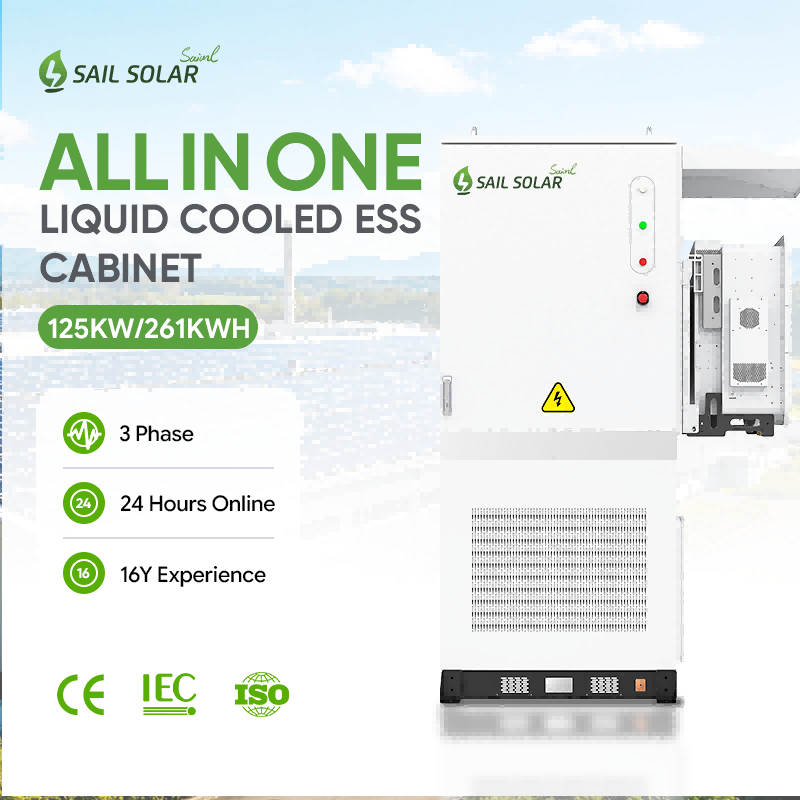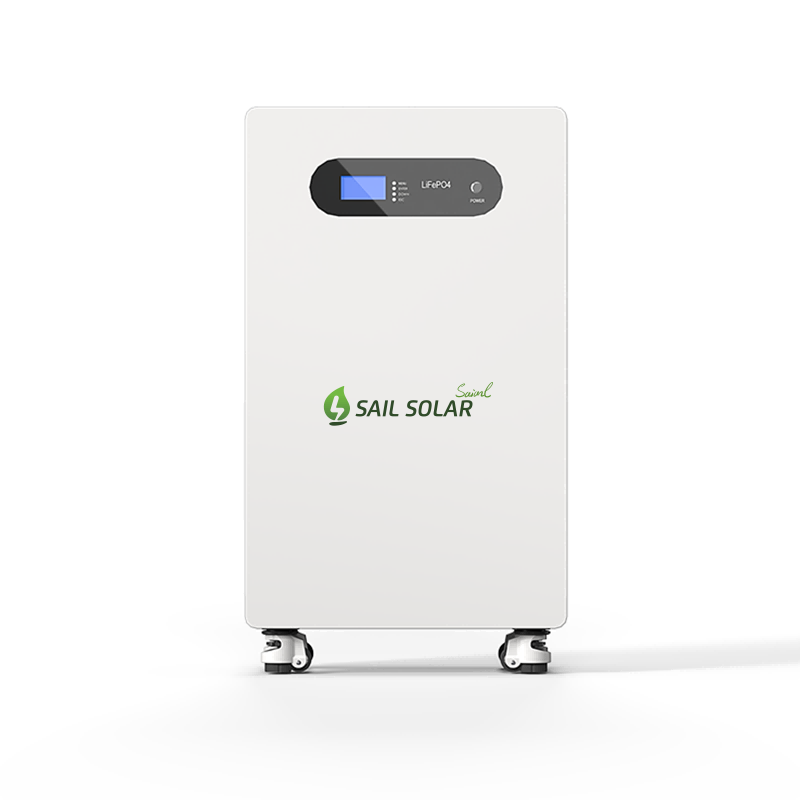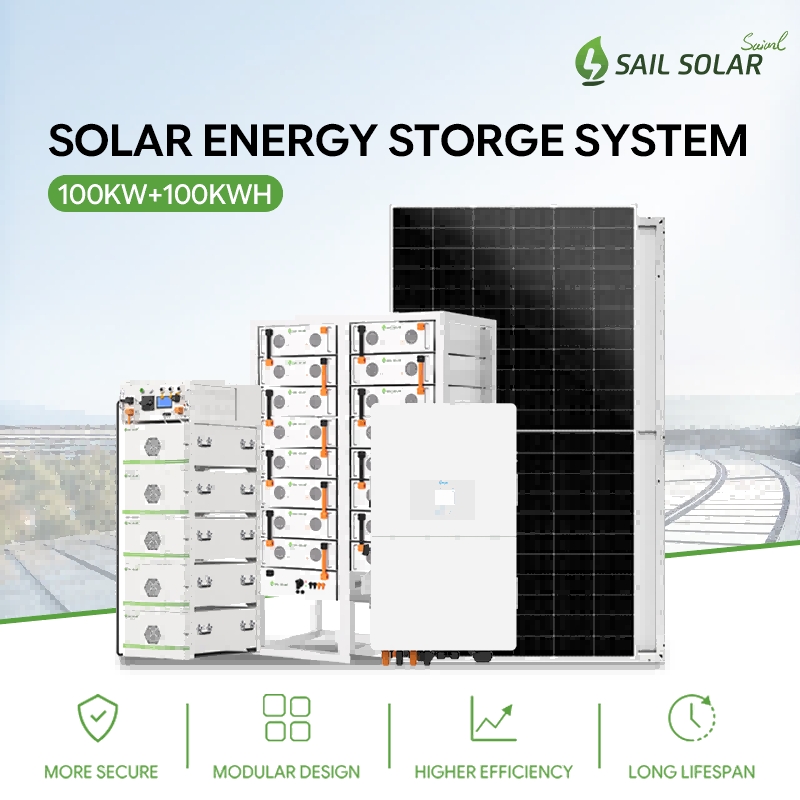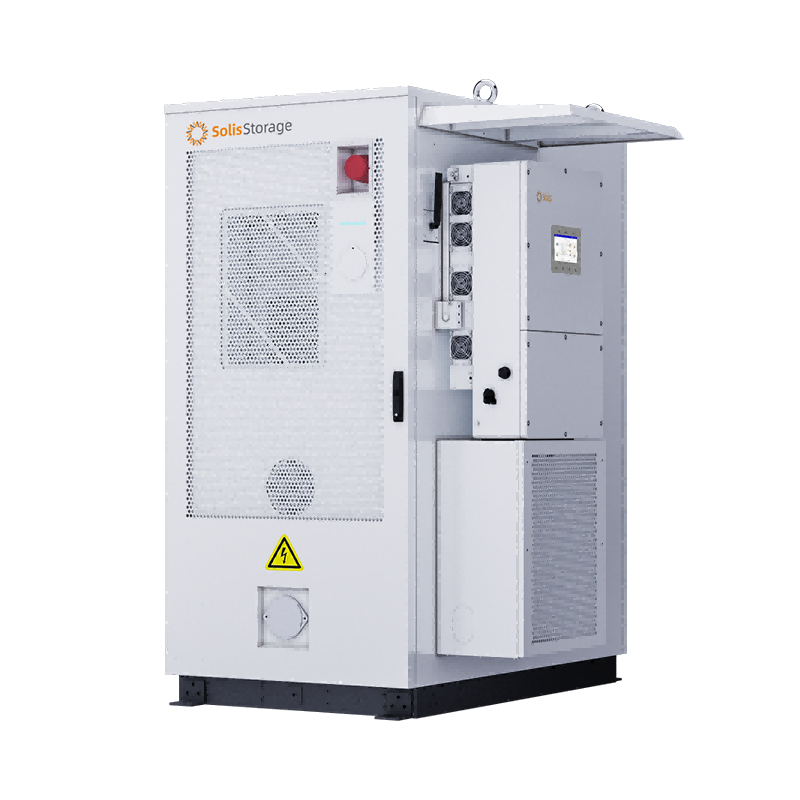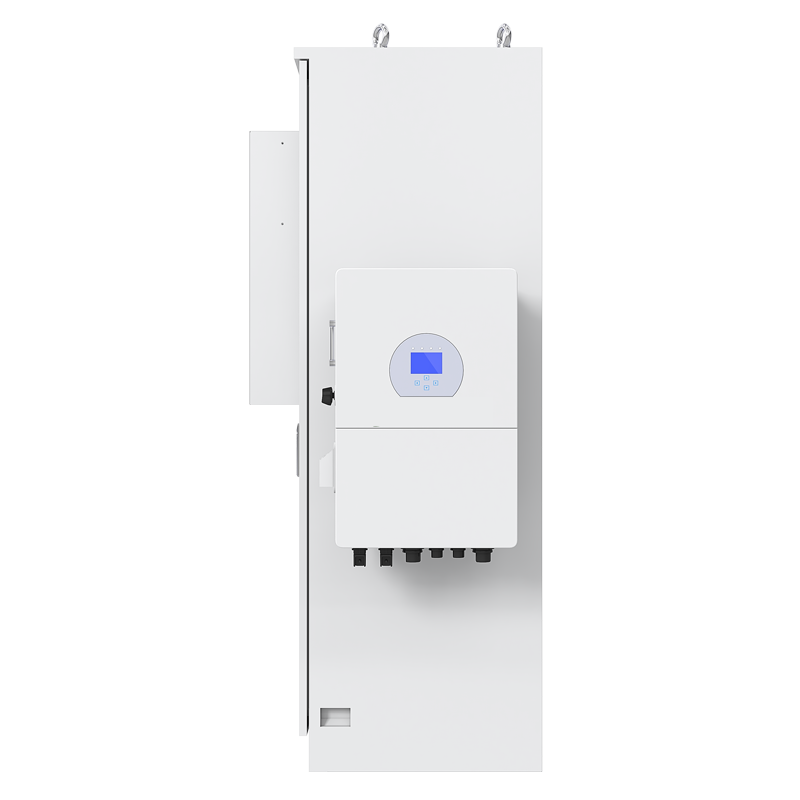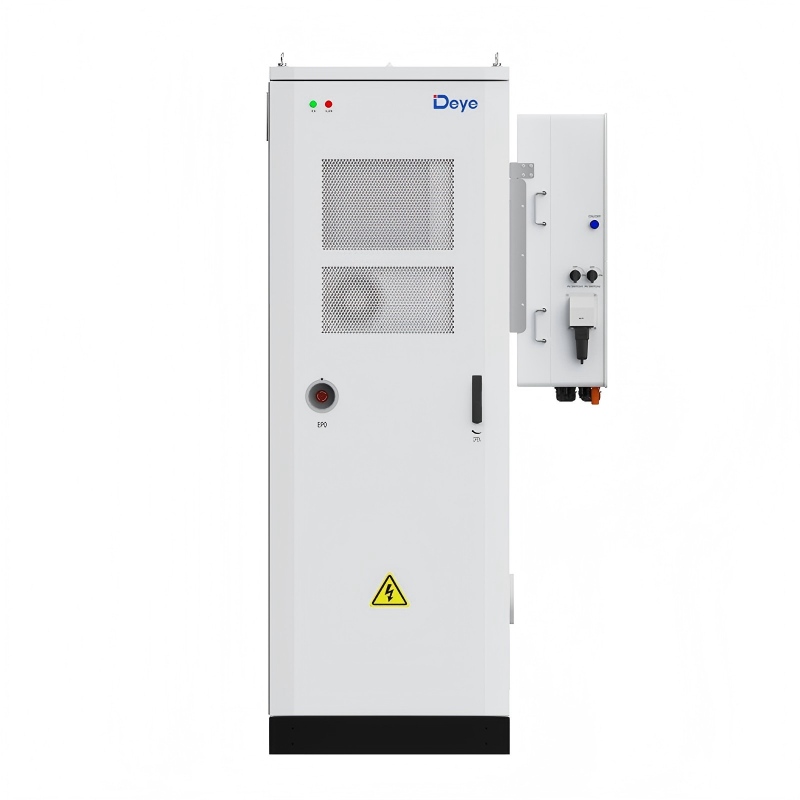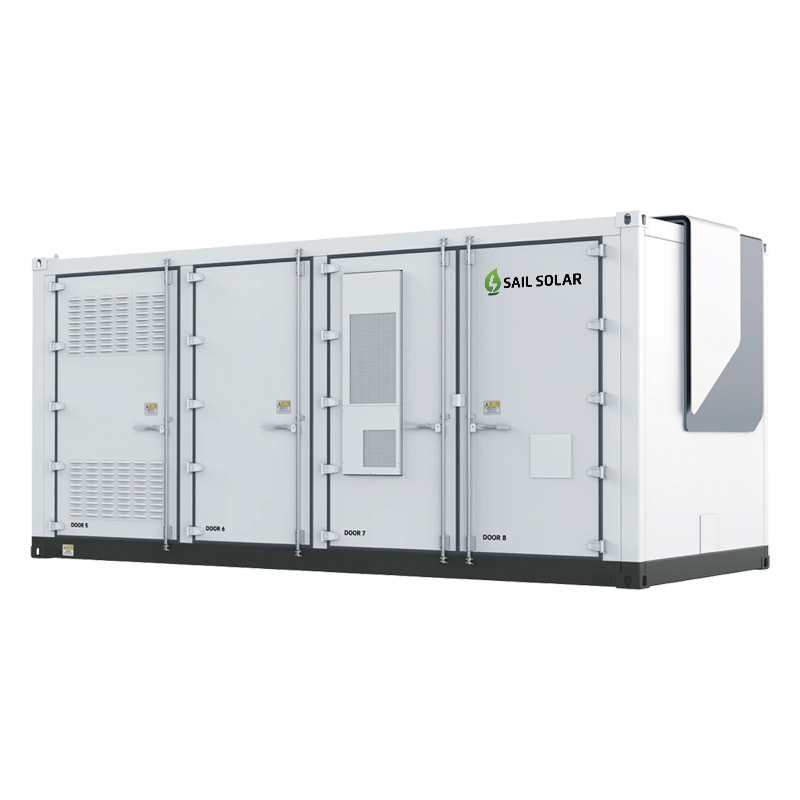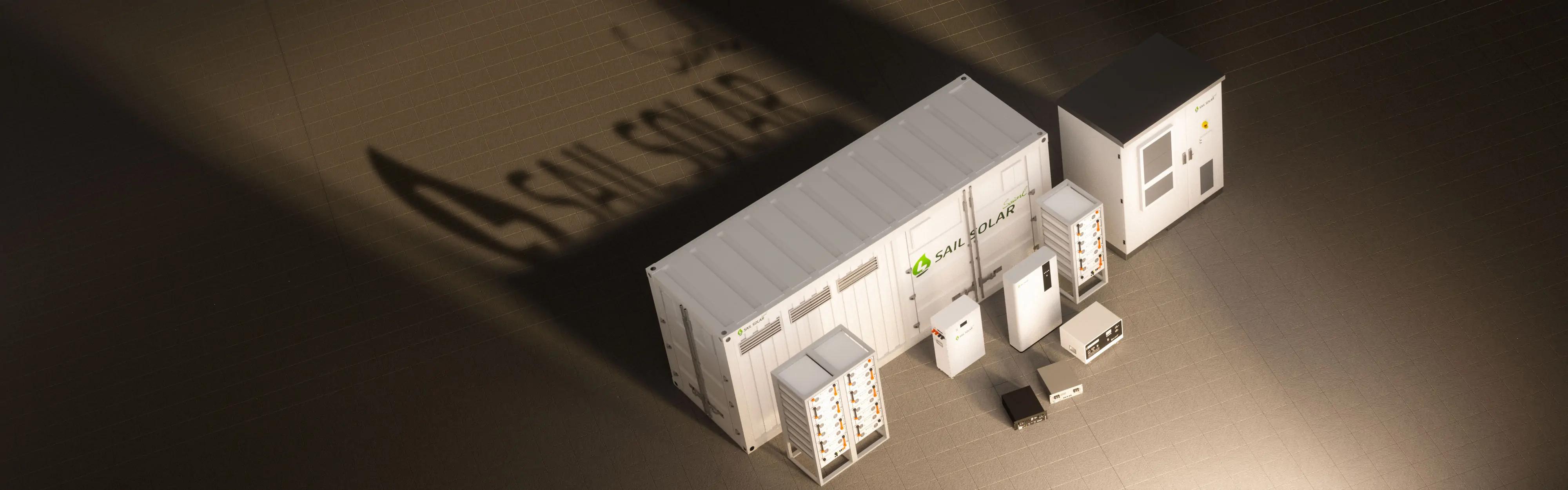
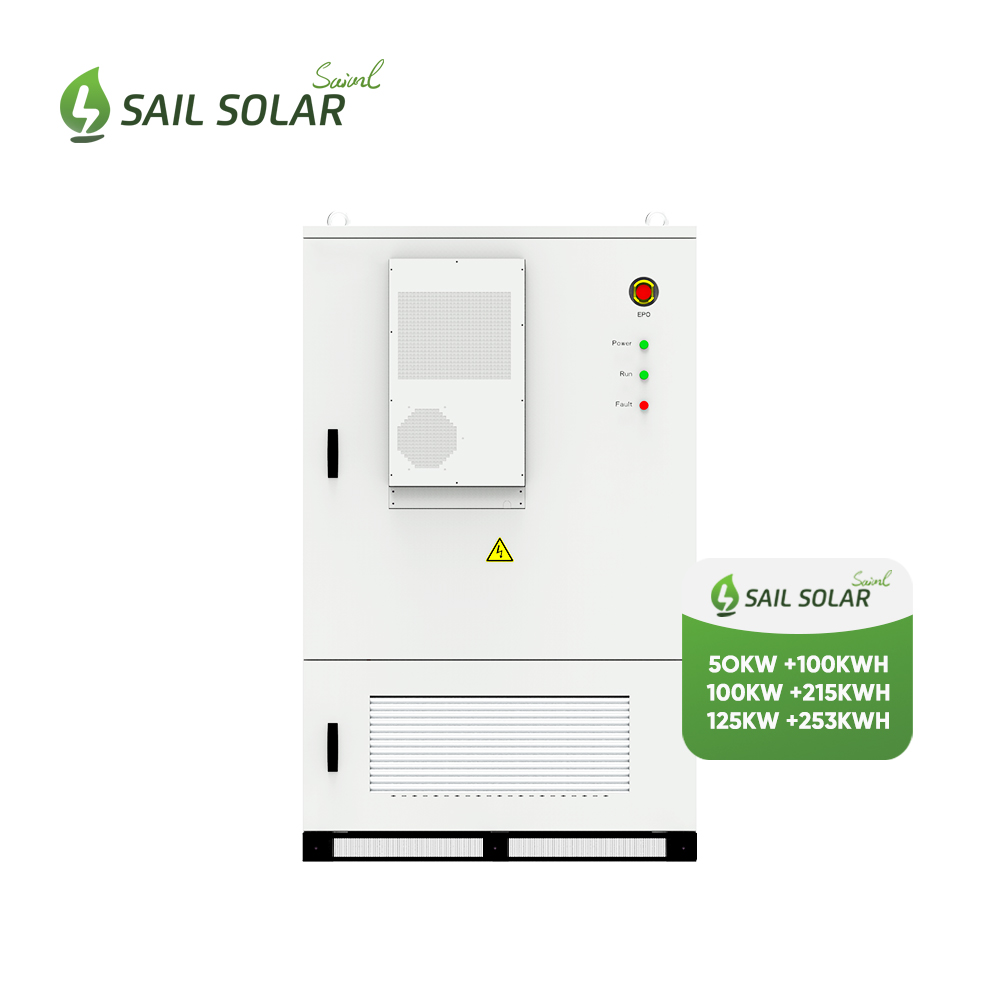
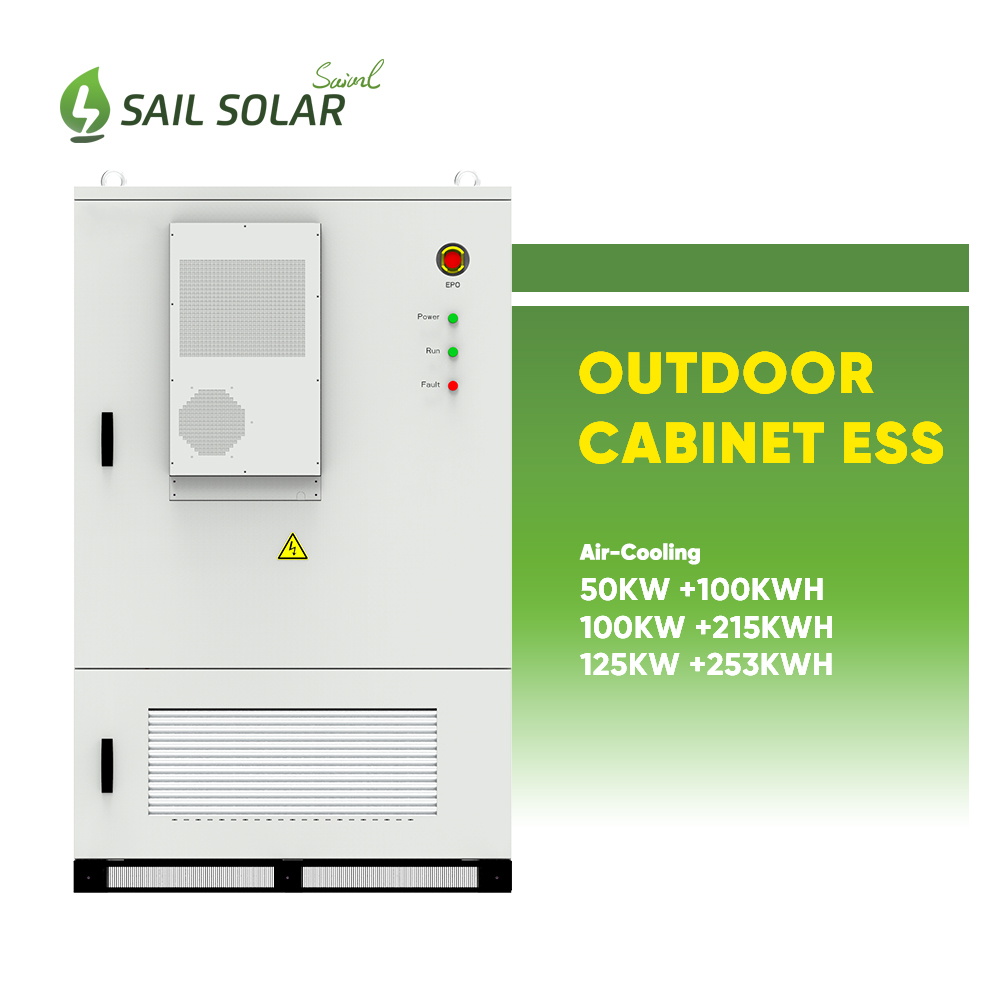
Sail Solar has developed an outdoor cabinet energy storage system—a compact, flexible ESS purpose-built for small commercial & industrial (C&I) load characteristics. This distributed outdoor energy storage unit integrates core components: battery modules, PCS, fire suppression, thermal management, and EMS, and supports a 215kWh energy capacity to fulfill the storage requirements of small C&I applications.
Brand Name :
SAIL SOLARProduct Model :
125KW/215kwh BESSBattery Type :
Lifepo4Warranty :
10 yearsOutput Voltage (V) :
220v/380v;230v/400vMax Input DC Voltage (V) :
1000VOutput Frequency :
50hz/60hzInverter Type :
125KW PCSSize: :
1460*2203*1400Battery Voltage :
650-864VProtection degree :
IP65
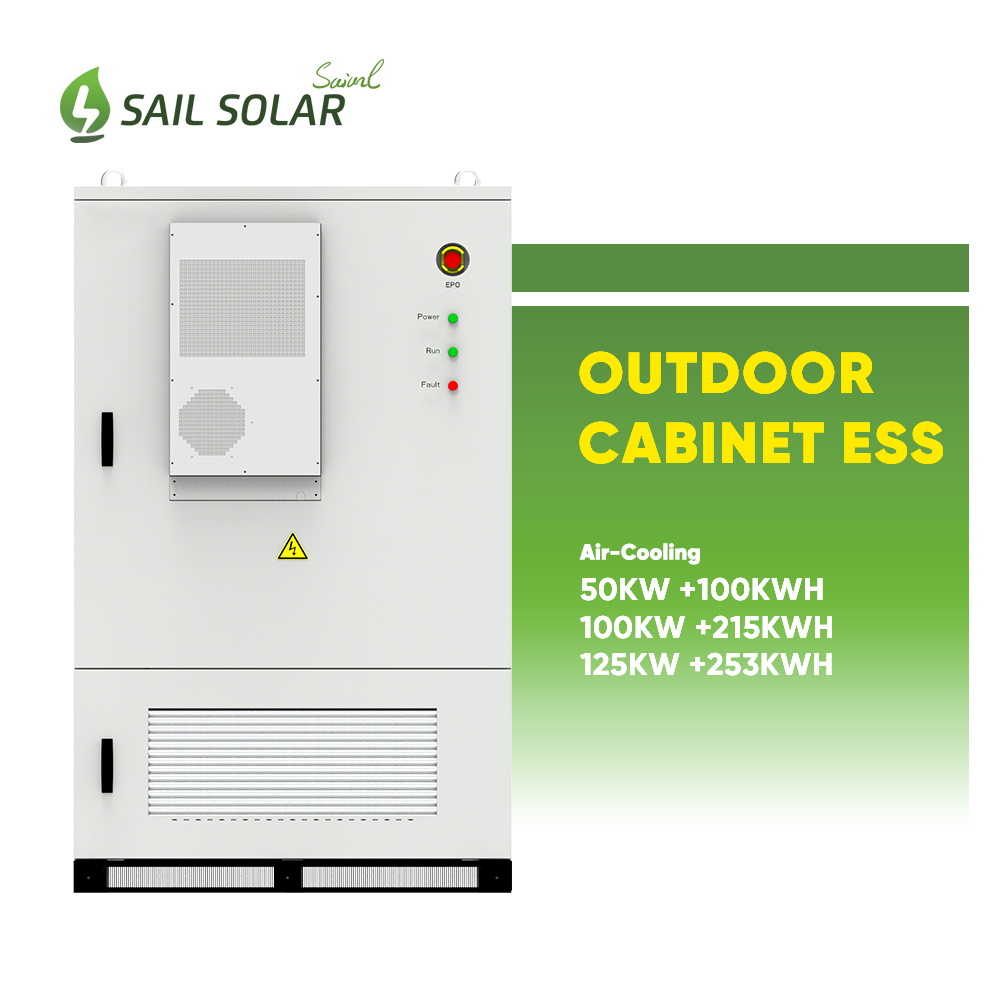
Sail Solar all in one air-cooled outdoor cabinet BESS delivers a powerful combination of high-efficiency power conversion, large-capacity energy storage, and rugged protection—engineered specifically for industrial and commercial peak shaving and valley filling, microgrids, backup power, and new energy grid integration.
At its core, the system is equipped with a 125kW bidirectional PCS and a 215kWh LFP battery cluster. Its air-cooled thermal management design ensures uniform heat distribution, minimizes battery temperature differences, extends cycle life, enables reliable high-power continuous charging and discharging, and boosts system stability and dependability.
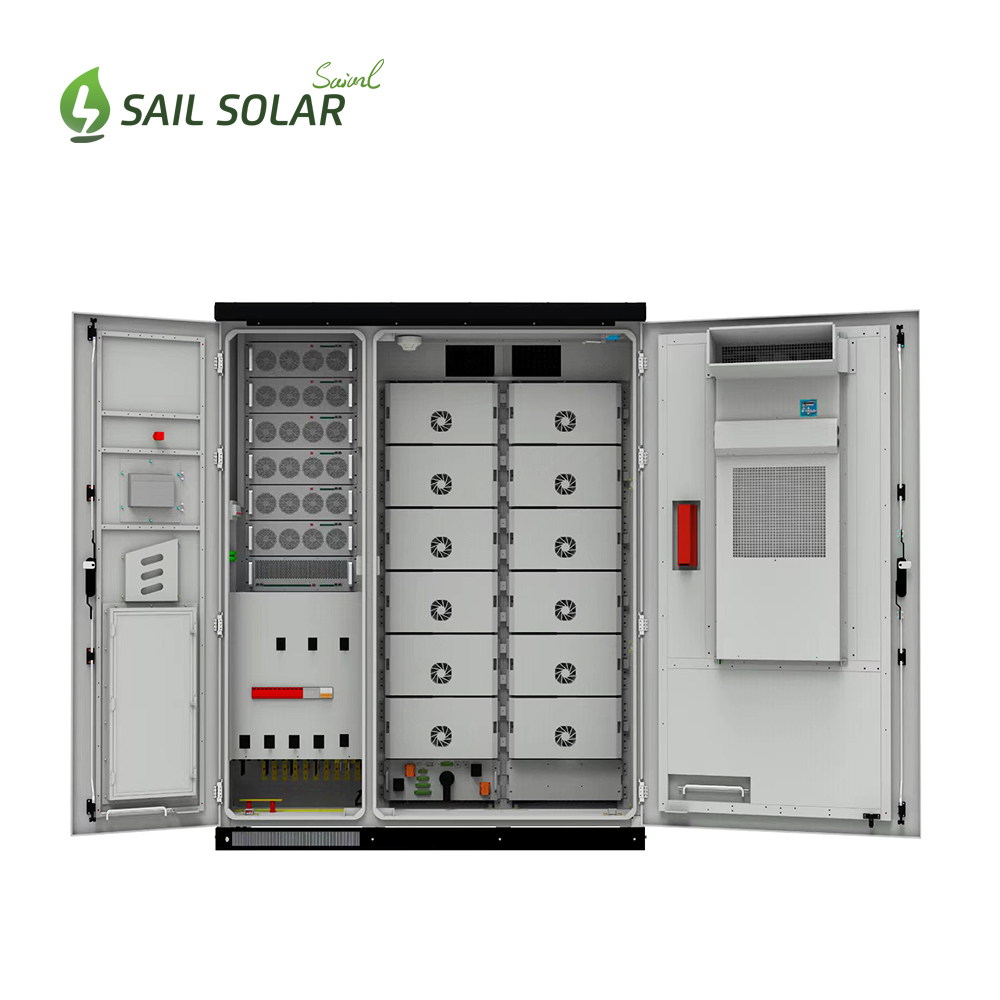
The all-in-one unit integrates BMS, EMS, fire suppression, and air-cooling subsystems with IP55-rated protection, allowing for direct outdoor deployment with no need for a dedicated control room. This translates to fast, easy installation and efficient, low-labor O&M. With dual support for grid-tied and off-grid operation, it helps customers reduce energy costs and strengthen power reliability, making it the top choice for industrial, commercial, and campus energy storage projects.
✔ 125kw High-Efficiency Bi-Directional PCS
Enables fast charging/discharging, grid interaction, solar integration, and smooth power conversion for all operating modes.
✔ 215kwh Long-Life LiFePO4 Battery Pack
Premium-grade cells deliver over 6000 cycles, excellent thermal stability, and enhanced safety for long-term performance.
✔ All-in-One Energy Storage Cabinet
Integrated PCS, battery modules, BMS, EMS, cooling, and protection systems in a single outdoor-ready enclosure.
✔ Advanced BMS + EMS Intelligent Control
Provides real-time monitoring, load management, peak shaving, energy scheduling, fault alarms, and remote control.
✔ Reliable Backup Power for Critical Loads
Ensures uninterrupted power during grid outages, ideal for commercial buildings, factories, telecom sites, and microgrids.
✔ Seamless Solar PV Integration
Supports hybrid operation with rooftop or ground-mounted solar systems for greater renewable energy usage.
✔ Modular, Scalable & Easy to Install
Plug-and-play design simplifies deployment and allows system expansion to larger capacities.
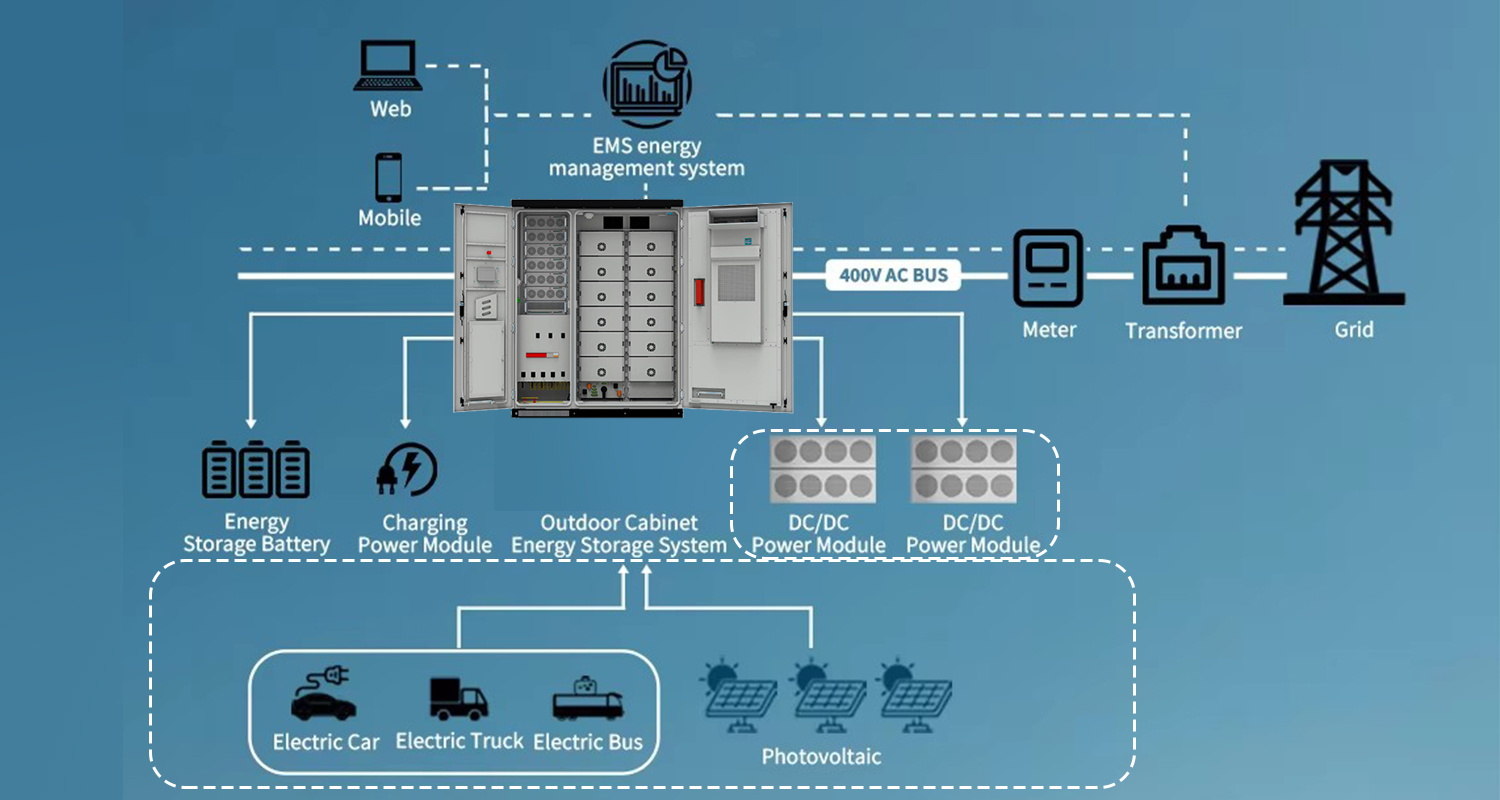
PV Power Supplies Loads with Priority
During daytime, electricity generated by the photovoltaic system is converted to AC power by the PV inverter and delivered to the AC bus. This power is first used to supply local loads such as EV chargers or commercial and industrial equipment.
Excess PV Energy Charges the Battery
When PV generation exceeds load demand, the surplus energy is routed through the PCS operating in charging mode (AC to DC) and stored in the lithium battery. This maximizes self-consumption of solar energy and reduces curtailment.
Battery Discharges When PV Is Insufficient
If PV output decreases or load demand increases, the PCS automatically switches to discharging mode (DC to AC). The battery then supplies power to the AC bus, compensating for the power gap and reducing grid dependency.
Nighttime or No-Solar Operation
At night or during periods without solar generation, the PV system is inactive. The BESS supplies power to the loads via the PCS. When the battery state of charge (SOC) reaches the predefined lower limit, the system transfers the load to the utility grid or enters standby mode.
Grid Interaction and Energy Management
The EMS continuously monitors PV output, load demand, battery SOC, and grid conditions. Based on predefined control strategies, it regulates PCS charging and discharging power to enable peak shaving, load shifting, demand control, and grid export limitation (including zero-export operation). Remote monitoring is supported via web and mobile platforms.
Tags :
Tel : +86 -18655186412
Email : Inquiry@sailsolarpv.com
Whatsapp : +86 -18655186412
Add : Building 7, Cross Border E-Commerce Supervision Zone, Hefei, China